Source Mirror Finish Plow for Agriculture, Forestry, and Fisheries
Compare 30 mirror finish plow options from Chinese manufacturers. Evaluate specifications like working width, weight, and drive type for soil preparation, forestry, and fisheries applications to find the right machinery for your needs; compare the available evidence and request quotations based on your requirements.
Key considerations
Products List
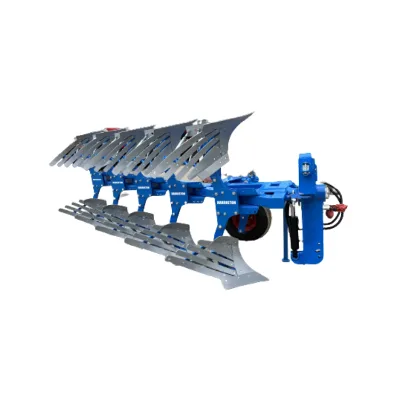


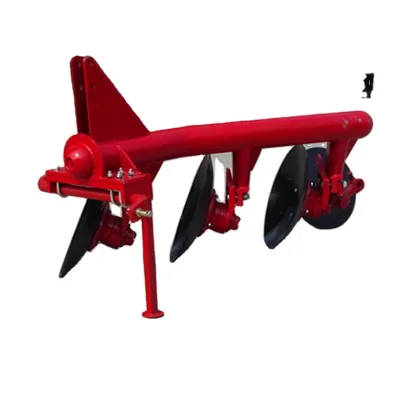
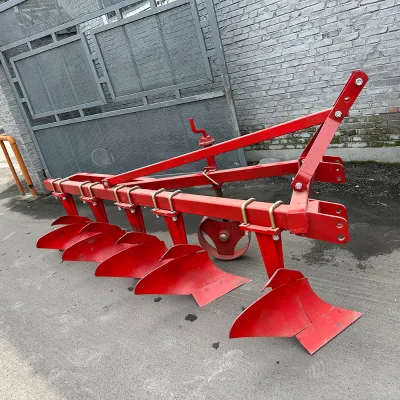


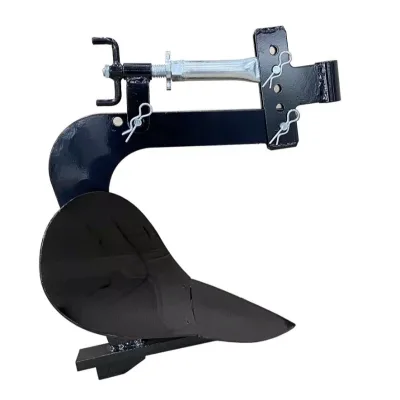


$1000.00 - $4000.00
Moq: 2
Comprehensive Sourcing Guide
Mirror Finish Plow Sourcing Guide
Procuring a mirror finish plow requires a nuanced understanding of agricultural machinery specifications, particularly when sourcing from international markets like China. The term "mirror finish" typically refers to the surface treatment of the moldboard or share, designed to reduce soil adhesion and friction during operation. This aesthetic and functional quality is often associated with high-quality steel treatments or specialized coatings that ensure efficient soil inversion. Buyers must distinguish between marketing terminology and actual metallurgical properties, ensuring that the finish contributes to the plow’s durability and performance in varying soil conditions.
The provided product data reveals a diverse range of plow types, including flip plows, disc plows, and moldboard plows, with origins primarily in Jiangsu and Shandong provinces. While the specific term "mirror finish" is not explicitly listed, the emphasis on "High Productivity" and specific structural forms like "Fixed - Width Bayonet Bar Plough" suggests a focus on operational efficiency. Buyers should verify if the polished surface is a standard feature or a custom option, as this can significantly impact the unit price and lead time. Understanding the core components, such as the shelf plow blade or standard shelf, is essential for evaluating the quality of the finish and its resistance to wear.
Product Scope and Observed Listing Signals
The observed market signals indicate a wide variance in product attributes, with weights ranging from 310 kg to 735 kg and working widths from 750 mm to 1500 mm. This diversity suggests that buyers are not limited to a single configuration but must select based on their specific tractor power and field requirements. The presence of both "flip plow" and "disc plow" categories highlights the need to clarify the exact mechanism desired, as the mirror finish application may differ between the curved moldboards of a plow and the discs of a disc plow. Buyers should carefully review the "Structure Form" and "Connection Method" to ensure compatibility with their existing fleet.
Listing signals also reveal variations in warranty periods, with some units offering 2 years and others 1.5 years, which may correlate with the quality of materials and finish. The "Quality" attribute is consistently listed as "new," but buyers should request detailed photos of the actual product to assess the uniformity of the finish. The "Drive Type" is noted as "Chain Drive" for some models, while others rely on "Traction" from the tractor, indicating different maintenance requirements. Understanding these operational differences is crucial for predicting long-term maintenance costs and ensuring that the mirror finish remains intact under heavy use.
Technical Specifications to Verify
When verifying technical specifications, the "Dimension" of 300014001350mm for certain models provides a baseline for logistical planning, but buyers must confirm if this applies to the specific mirror-finished variant. The "Working Depth" ranges from 250-300mm to 250-350mm, which directly impacts the stress on the moldboard and the potential for finish degradation. Buyers should inquire about the steel grade used for the moldboard, as higher carbon steel or alloy steels often receive more rigorous polishing and heat treatment to achieve a durable mirror surface. The "Arbor Configuration" of "Horizontal Axis" is standard, but the bearing quality and sealing mechanisms should be verified to prevent soil ingress that could damage the finish.
The "Plough Quantity" is listed as "Hydraulic Flip," suggesting advanced functionality that requires precise alignment of the moldboards. Misalignment can cause uneven wear, compromising the mirror finish and reducing efficiency. Buyers should also check the "Tire Number" and "Customization" options, as some suppliers may offer tailored solutions for specific soil types. The "Model Number" variations, such as 535 or DSY-325, indicate different design iterations, and buyers should request technical drawings to understand how the finish is applied to critical wear areas. Ensuring that the "Working Width" matches the tractor’s capabilities is essential for optimal performance.
Compliance and Safety Documentation
Compliance documentation is critical for international procurement, with "CE, EU, ECE" certifications listed for some products, indicating adherence to European safety and environmental standards. Buyers must verify if these certifications apply to the specific mirror-finished model, as certification scopes can vary by configuration. The "Machinery Test Report" being "Provided" is a positive signal, but buyers should request the actual report to review specific test results related to structural integrity and surface treatment durability. This documentation helps ensure that the plow meets the regulatory requirements of the destination country, avoiding customs delays or legal issues.
Additionally, the "Farming Policy" of "Dry Cultivating Machinery" suggests suitability for specific agricultural practices, but buyers should confirm if the mirror finish offers any additional benefits in wet or sticky soil conditions. The "Application Field" includes "Forestry, Fisheries, Livestock, Aquaculture, Agriculture," indicating versatility, but the primary focus should remain on agricultural soil preparation. Buyers should ensure that all safety labels and operational manuals are provided in the required language, especially for complex hydraulic systems. Verifying the "Warranty" terms in the context of these certifications is also important, as some warranties may be void if the equipment is used outside its certified parameters.
Cost Drivers and Commercial Terms
Cost drivers for mirror finish plows include the quality of the steel, the complexity of the surface treatment, and the hydraulic system’s sophistication. The observed price range of $20-$10,000 USD reflects this variance, with higher-end models featuring advanced finishes and robust construction commanding premium prices. Buyers should analyze the "MOQ" range of 1-10 units, as bulk orders may offer significant discounts, especially for customized finishes. The "Selling Units" as "Single item" suggests flexibility, but buyers should negotiate for volume-based pricing if they plan to equip a large fleet.
Commercial terms also involve "Prod Packing" in "Wooden Box Packing" or "Customers Requirement," which can affect shipping costs and product protection. Buyers should ensure that the packaging is sufficient to prevent damage to the mirror finish during transit, as scratches or dents can compromise the surface. The "Place of Origin" in Jiangsu and Shandong may influence logistics costs, so buyers should compare freight quotes from different suppliers. Understanding the "Lead Time" for custom finishes is also crucial, as specialized treatments may require additional processing time, impacting the overall procurement schedule.
Supplier Qualification and Quality Control
Supplier qualification involves verifying the manufacturer’s capability to produce consistent mirror finishes, which requires specialized polishing equipment and quality control processes. Buyers should request samples or visit the factory to assess the production line’s cleanliness and precision, as contamination can ruin the finish. The "Brand Name" variations, such as Harriston or Haomin, indicate different market positioning, but buyers should focus on the supplier’s technical expertise rather than brand recognition alone. Checking the supplier’s history with similar exports can provide insights into their reliability and consistency.
Quality control measures should include pre-shipment inspections to verify the uniformity of the finish and the functionality of hydraulic components. Buyers should specify acceptance criteria for surface defects, such as pits or uneven polishing, in the purchase agreement. The "Core Components" like "Shelf Plow blade" or "Shelf" should be inspected for material consistency, as inferior materials may not hold the finish well. Establishing a clear communication channel for addressing quality issues is essential, especially when dealing with international suppliers where language barriers may exist.
Long-Term Procurement Checks
Long-term procurement checks focus on the durability of the mirror finish and the availability of replacement parts. Buyers should inquire about the recommended maintenance schedule for polishing and recoating, as regular upkeep is essential for preserving the surface quality. The "Warranty" period of 1.5 to 2 years provides a baseline, but buyers should consider the cost of extended warranties or maintenance contracts for high-use scenarios. Tracking the performance of the plow over time will help identify any trends in finish degradation, allowing for proactive adjustments in procurement strategies.
Additionally, buyers should monitor the supplier’s product updates and technological advancements, as new finishing techniques may offer improved durability. Building a long-term relationship with a reliable supplier can ensure consistent quality and better support for future purchases. Regularly reviewing the "Key Selling Points" like "High Productivity" against actual field performance will help validate the initial investment. By maintaining detailed records of procurement and performance, buyers can make informed decisions that optimize their agricultural operations and reduce long-term costs.
FAQs
What is the warranty period for the flip plow?
The warranty period is typically 2 years for the Harriston model, while other variants like the Haomin disc plow offer 1.5 years coverage. Buyers should verify the specific warranty terms associated with the selected model number and brand before finalizing any purchase agreement.
Which certifications does the machinery hold?
The machinery holds CE, EU, and ECE certifications as documented in the product specifications. These certifications indicate compliance with relevant safety and quality standards required for agricultural equipment operating in international markets, ensuring the product meets regulatory requirements.
How is the plow connected to the tractor?
The plow connects to the tractor via a three-point suspension system. This connection method ensures stable traction and efficient power transfer during soil preparation operations, allowing for movable operation across various agricultural fields and forestry applications effectively.
What is the working depth of the plow?
The working depth ranges from 250 to 300 millimeters for specific models, while others may reach up to 350 millimeters. This adjustable depth allows farmers to prepare soil effectively for different crop requirements and varying soil conditions during the cultivation process.
Can the product be customized for specific needs?
Yes, customization is available for this agricultural machinery to meet specific buyer requirements. Buyers can request tailored specifications regarding dimensions or features, ensuring the equipment fits their unique operational needs and field conditions without compromising the core functionality of the plow.
What is the packaging method for the product?
The product is packed in a wooden box for standard shipments, though customer requirements can also be accommodated. This robust packaging protects the machinery during transit from the origin in China to the final destination, ensuring the equipment arrives in new condition.